Regenerative endodontic therapy in destroyed immature permanent teeth with pulpal necrosis with the use of calcium silicate cements: clinical outcomes studies
Aim
Immature teeth are at risk for pulp necrosis, resulting in arrested root development and poor long term prognosis. The aim of this work is to show the high potential for root growth restoration in length even if pulp tissues have been necrotized using calcium silicate cements.”
Introduction
Deep caries are frequent findings in children and adolescents that may lead to pulp necrosis in young permanent teeth. As a consequence, the root stops its development, and managing these immature teeth becomes challenging due to the presence of open apexes and fragile dentinal walls. Revascularization / revitalization therapy is considered an alternative procedure for management of teeth with an immature apex and necrotic pulp, mainly when root development is interrupted in the early phases of formation. Bioceramic putty is a material of choice in such cases due to its excellent biocompatibility, sealing ability, osteoinductive and antibacterial properties.
Endodontist at the SYMBIOTYKA clinic
Maryana Sobolivska
Since 2012, endodontist at the SYMBIOTYKA dental clinic,
member of the Ukrainian Endodontic Association,
since 2018 – head of the Lviv branch of the UEA.
2024 – Winner and speaker at the 2nd Style Italiano Endodontics conference (Mumbai)
2024 – Winner and speaker at The 14th IFEA World Endodontic Congress 2024 Glasgow
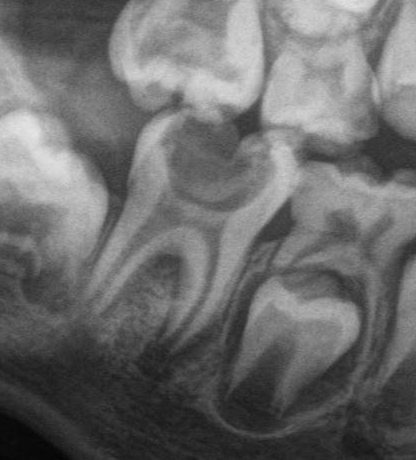
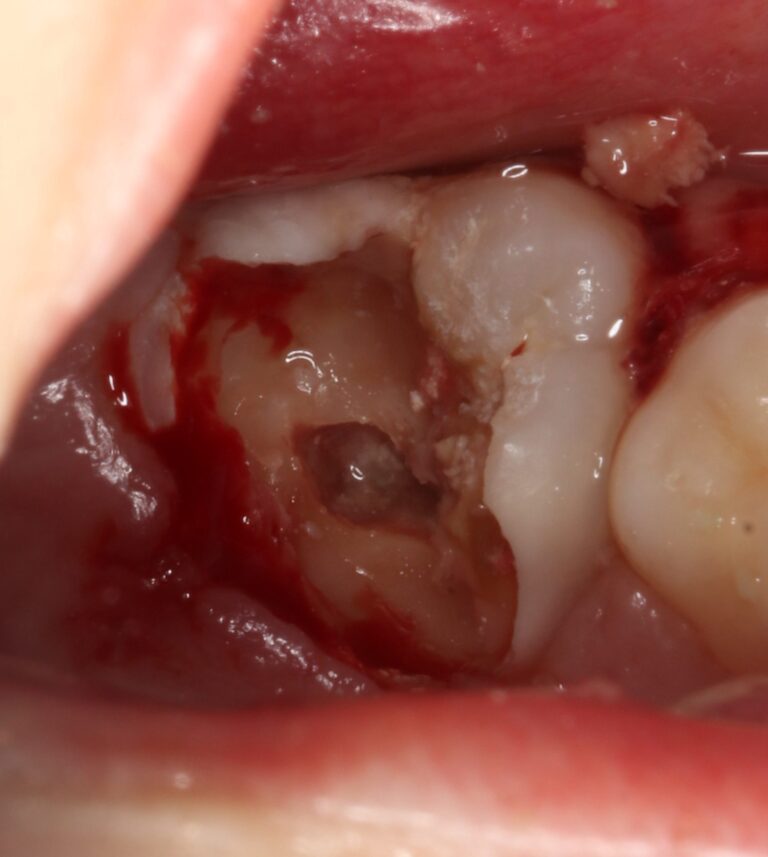
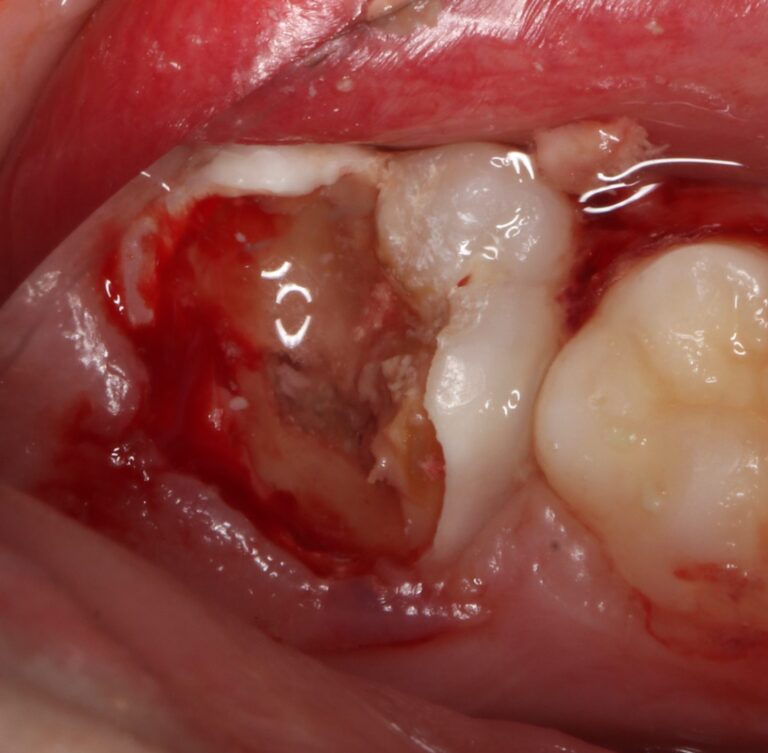
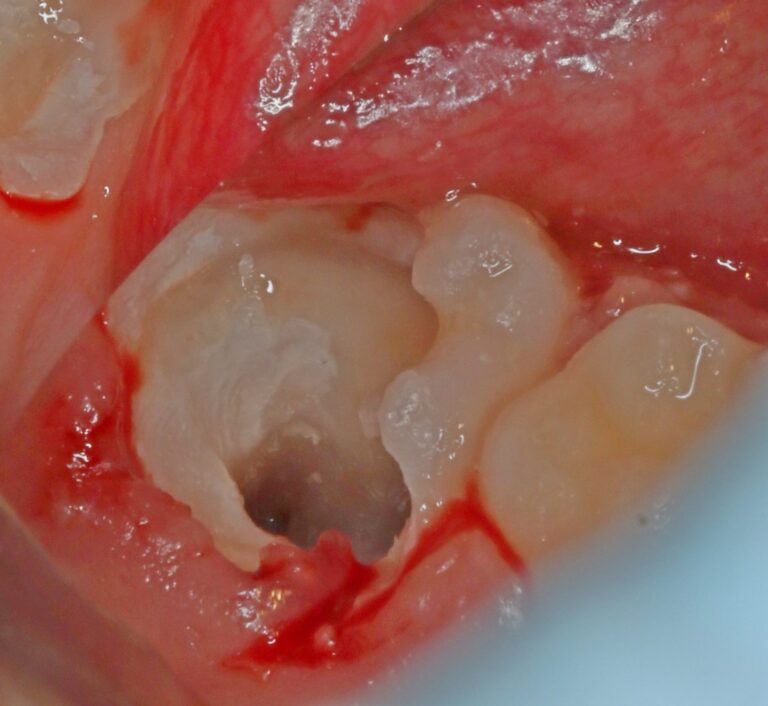
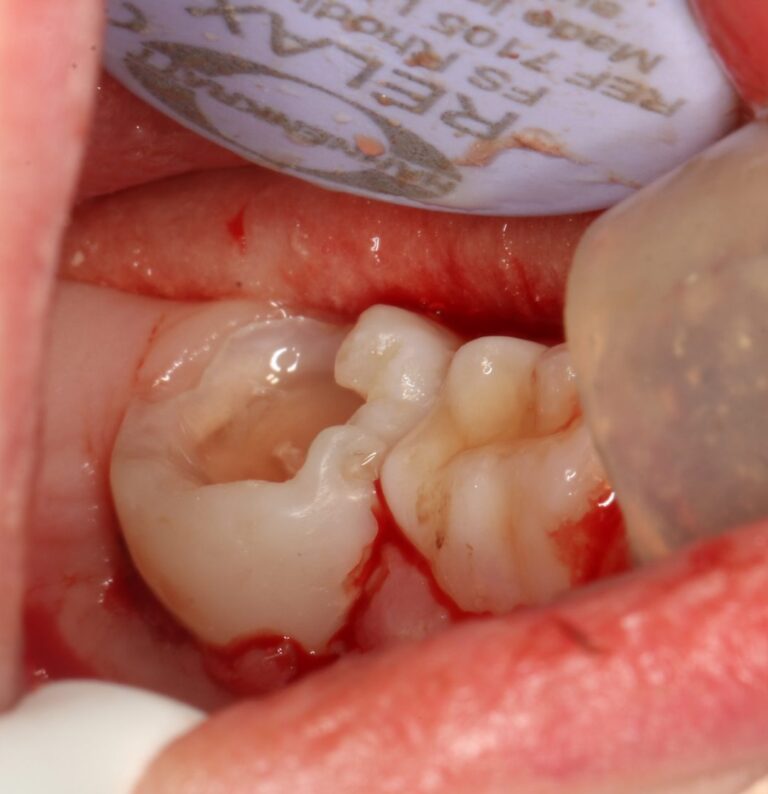
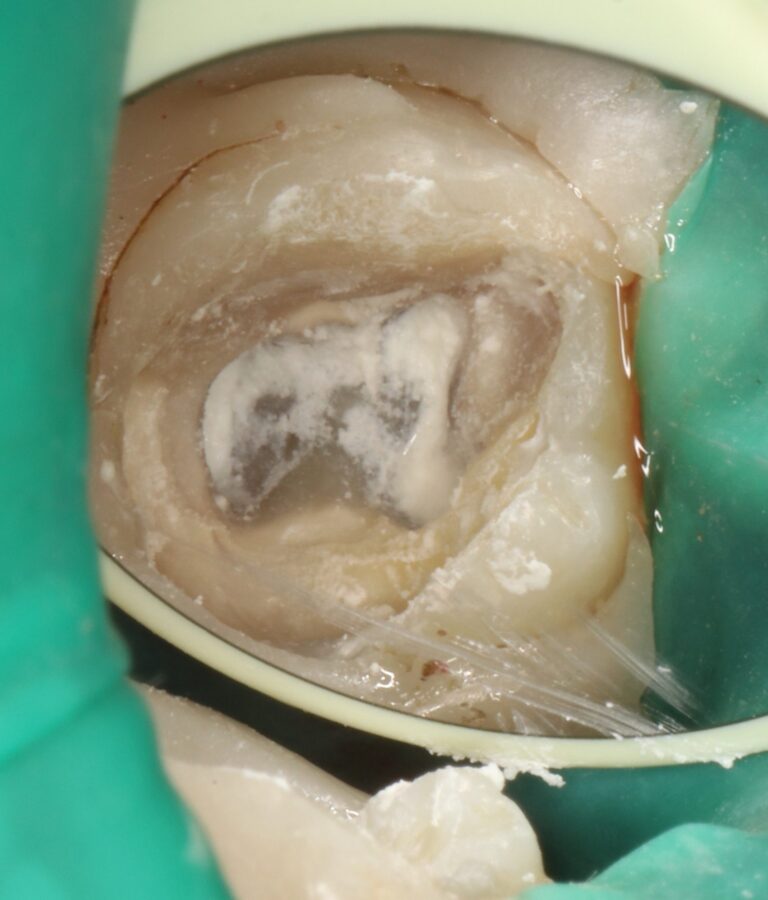
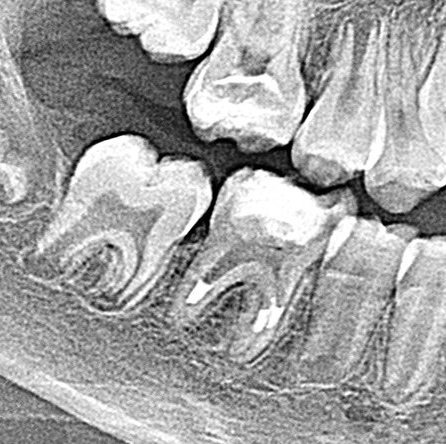
An 8-year-old boy was brought by his parents for treatment of tooth 4.6 due to severe pain on biting (Fig.1). Clinical examination revealed that tooth 4.6 was extensively destroyed and affected by deep caries (Fig.2-3). Extraction of the tooth was recommended; however, the parents refused extraction.
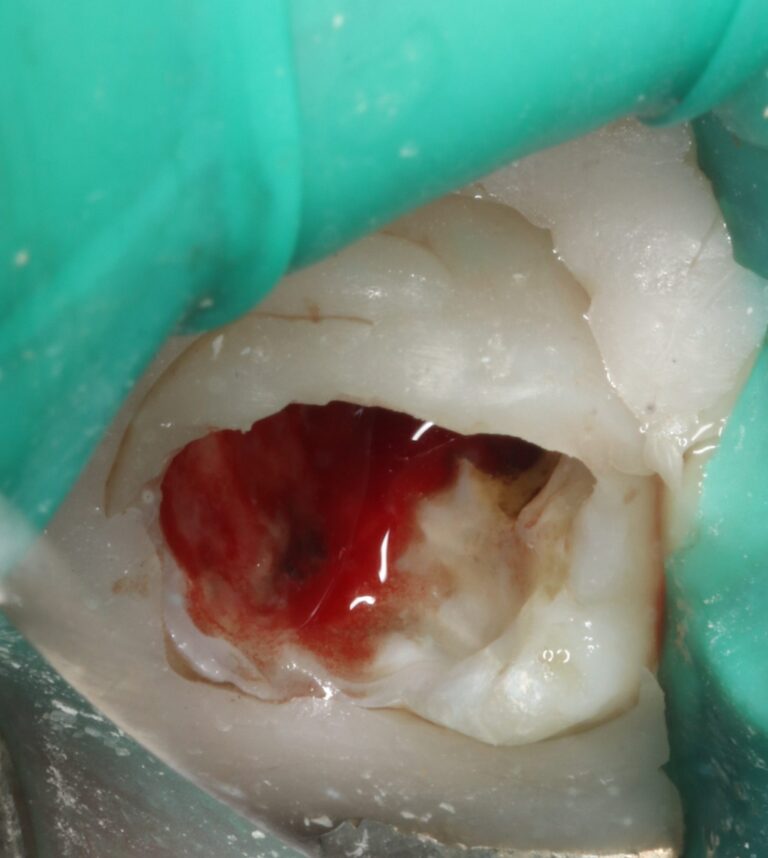
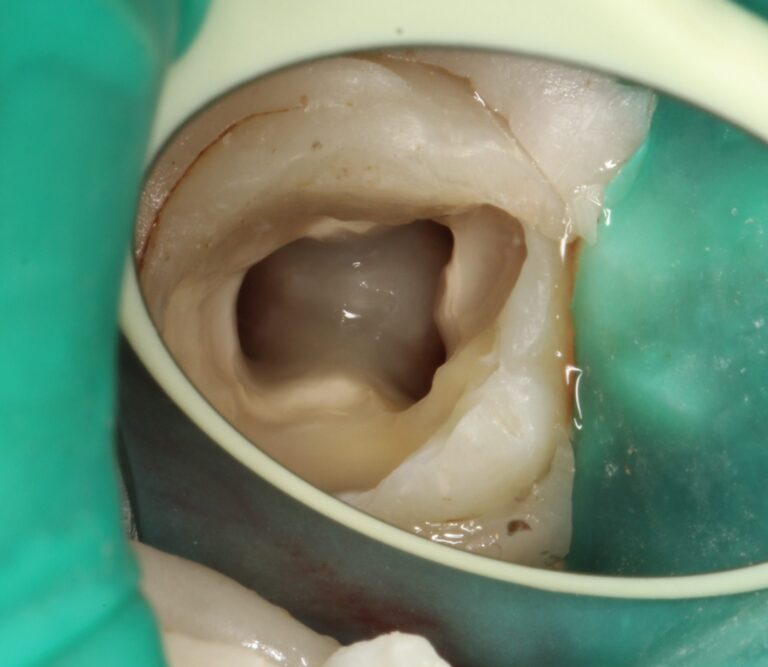
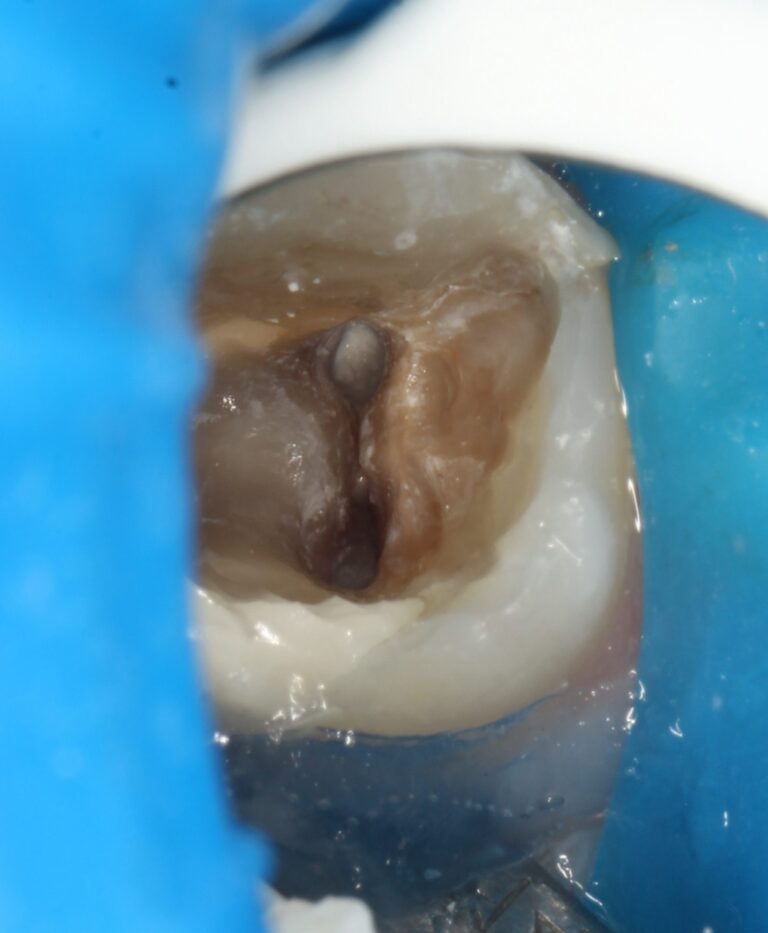
Due to the child’s lack of cooperation, treatment was performed under general anesthesia. Gingival diathermocoagulation was carried out (Fig.4), followed by reconstruction of the buccal wall (Fig.5), rubber dam isolation, and cleaning of the root canal system using microdebriders (Fig.6-7). A gentle irrigation protocol was performed using 20 mL of 1% sodium hypochlorite, 5 mL of saline (NaCl), and 20 mL of 17% EDTA. The canals were temporarily medicated with Triple Antibiotic Paste (3-Mix Paste) for 4 weeks (Fig.8)
Fig.1
Fig.2
Fig.3
Fig.4
Fig.5
Fig.6
Fig.7
Fig.8
After 4 weeks
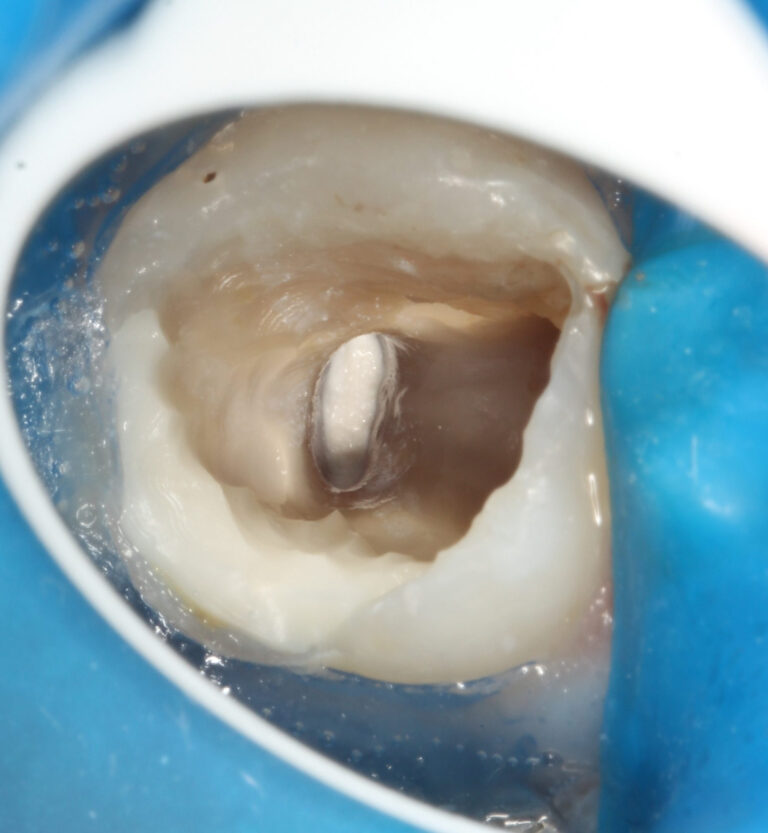
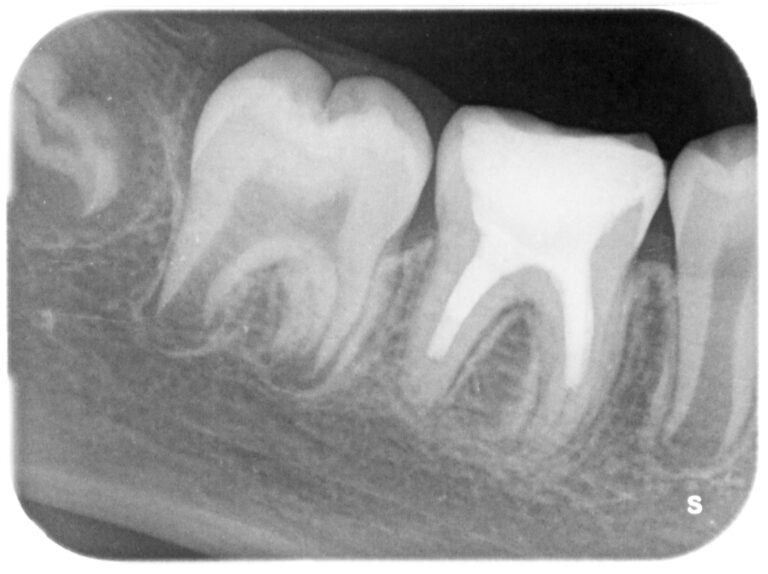
in the absence of symptoms, repeated irrigation and disinfection of the root canal system were performed. Bleeding was intentionally induced into the canals, and bioceramic putty plugs were placed over the formed blood clots (Fig.9-11). The tooth was temporarily restored with a glass ionomer filling.
Fig.9
Fig.10
Fig.11
The patient was scheduled for further restoration and definitive root canal obturation
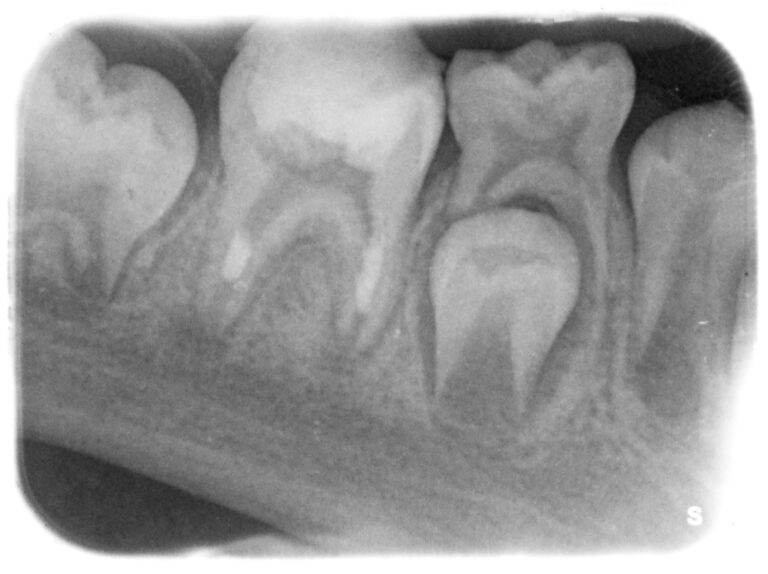
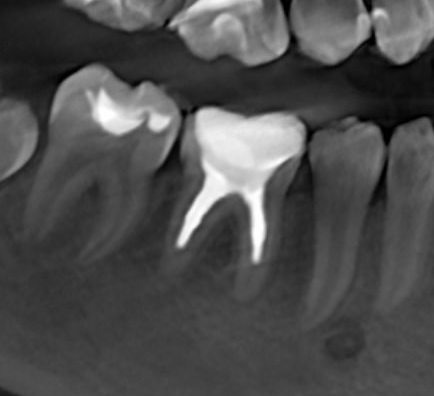
However, due to the onset of the COVID-19 pandemic, the family did not return for the recommended follow-up visit. One year later, the parents brought the boy back to continue treatment. Panoramic radiography demonstrated successful revascularization of the tooth and continued root development (Fig.12), including increased root length. Definitive obturation of the root canal system was completed, the tooth was restored (Fig.13), and a temporary crown was placed. Healing results of the tooth 4.6 after treatment in 7 years (Fig.14)
Fig.12
Fig.13
Fig.14
Discussion
Dentin wall thickening was present in 66% (CI95: 58%-73%) of the cases treated with antibiotic paste, while when Ca(OH)2 was used, a percentage of 53% (CI95: 26%-78%), was obtained. When antibiotic paste was used, apical closure was found in the 66% (CI95: 58%-73%) of the regenerative endodontic procedures, while when Ca(OH)2 was used, 88% (CI95: 80%-93%) of the cases were found to reach apical closure. Root lengthening and apical repair were found satisfactory for both disinfection protocols.
Conclusion and Clinical Relevance
There could be differences between the two treatments since a higher percentage of root dentin wall thickening was found when using antibiotic pastes, while a higher percentage of apical closure was found when calcium hydroxide was used. The proposed approach could provide a useful contribution for endodontists when planning regenerative endodontic procedures, so as to guide decision-making to the best elective treatment and to select the appropriate disinfection method in accordance with preoperative radiographic diagnosis of root development stage, then increasing the predictability of regenerative endodontic treatment and reducing potential risk of root fractures. The use of hydraulic calcium silicate cements (MTA/Bioceramics) in a such cases is a promising solution in microinvasive endodontics interventions.
References
Nastaran Meschi , Paulo J Palma , Daniel Cabanillas-Balsera Effectiveness of revitalization in treating apical periodontitis: A systematic review and meta-analysis Int. Endod.J.2023. Gabriel Ferreira Nicoloso, Gabriela Maltz Goldenfum, Tatiane da Silva Dal Pizzol, Roberta Kochenborger Scarparo, Francisco Montagner, Jonas de Almeida Rodrigues Pulp Revascularization or Apexification for the Treatment of Immature Necrotic Permanent Teeth: Systematic Review and Meta-Analysis. J Clin Pediatr Dent. 2019; J Oral Biol Craniofac Res. 2022 “Meta-analysis of regenerative endodontics outcomes with antibiotics pastes and calcium hydroxide. The apex of the iceberg”$ Lin Louis M., Kahler Bill. A review of regenerative endodontics: current protocols and future directions. Journal of Istanbul UniversityFaculty of Dentistry. 2017;51(3 Suppl 1):S41. Diogenes Anibal, et al. Regenerative endodontics: a way forward. J Am Dent Assoc. 2016;147(5):372–380. Bukhari S., Kohli M.R., Setzer F., Karabucak B. Outcome of revascularization procedure: a retrospective case series. J Endod. 2016;42(12):1752–1759. Chan E.K.M., Desmeules M., Cielecki M., Dabbagh B., dos Santos B.F. Longitudinal cohort study of regenerative endodontic treatment for immature necrotic permanent teeth. J Endod. 2017;43(3):395–400.
Дякуємо за Ваше зацікавлення до навчання в SYMBIOTYKA Education! Залиште свої контакти і ми невдовзі з Вами сконтактуємося.